
Picture this: golden evening light on your patio, chairs waiting—then the wind picks up, mosquitoes arrive, and the temperature drops 20° by sunset. So it sits empty, again. We turn that wasted square footage into your favorite four‑season room with a glass patio enclosure
that opens wide on perfect days and seals tight when weather flips. No full addition, no drama—just the space you already own, finally working every month.
Modern glass isn’t the clunky sunroom you remember. We pair Low‑E glass (low emissivity, a thin coating that reflects heat), thermally broken frames (insulated profiles that stop hot/cold transfer), and gasketed seals with our automated, retractable design. The result: four‑season comfort that’s quiet, energy‑smart, and engineered for wind and snow—without months of renovation. Curious why it’s surging? Let’s unpack the forces reshaping outdoor living.
Those forces are hitting home right now: you want a light‑filled space that flexes for entertaining, a work from home (WFH) nook, and a quiet wellness corner—without a year of construction. We see it every week. Traditional additions mean permits, trades, and months of dust. A modern glass four‑season room
delivers similar everyday usability with far less disruption, often in weeks, not months. It opens when weather’s perfect, closes when it’s not, and manages energy better than patio heaters that burn cash.
Four forces are driving patios toward enclosed, flexible space:
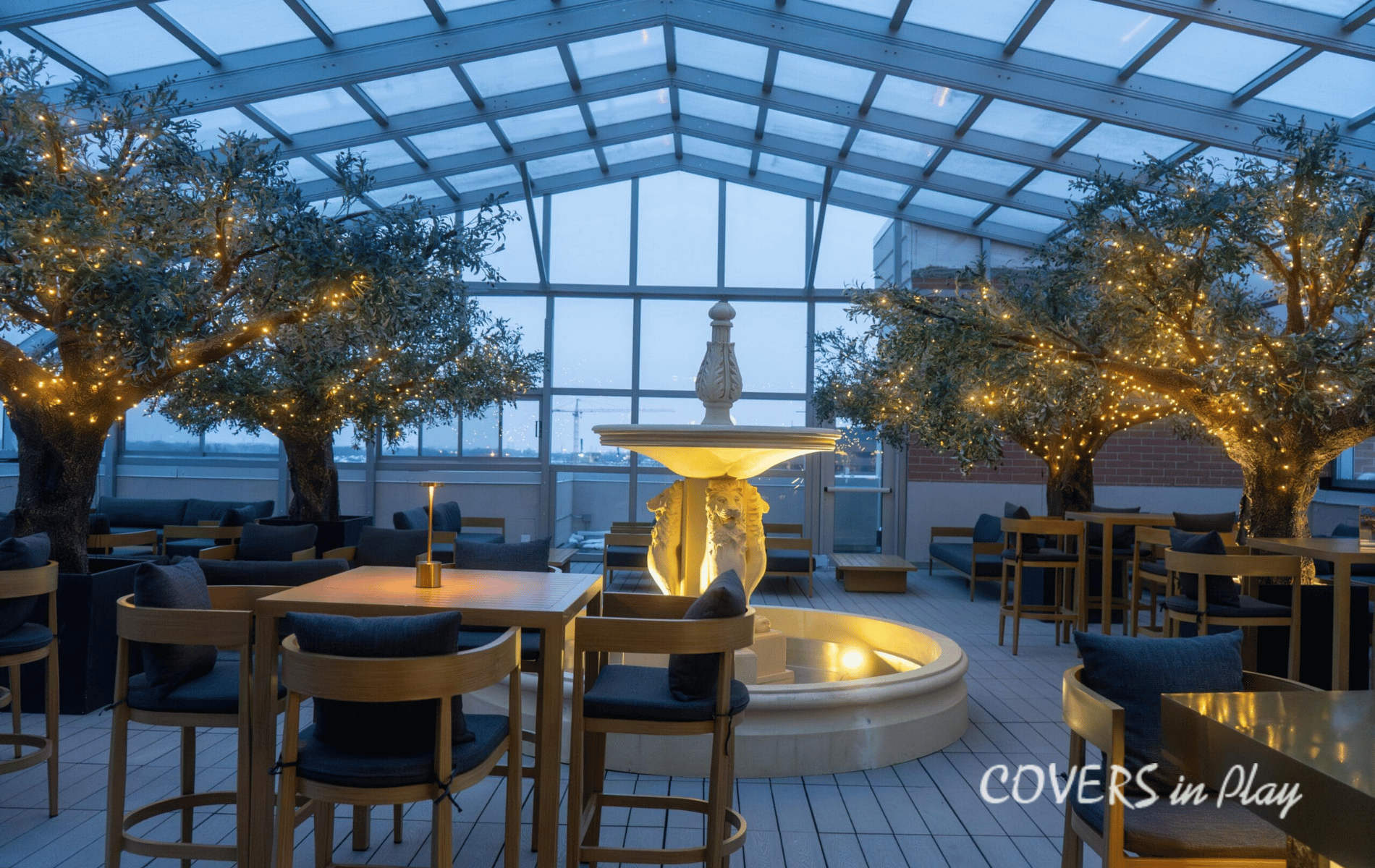
Tell me if this sounds familiar: you set the table and a surprise squall blows through. Or the mosquitoes arrive the minute dusk hits. On hot afternoons the deck bakes; by evening you need a jacket and the wind tosses napkins into the garden. Pollen coats the cushions, smoke drifts from a neighbor’s fire, and you feel on display when you just want quiet. Each tiny hurdle kills spontaneity. After a few misses, you stop suggesting, “Let’s sit outside.”
The hidden costs of an “open” patio often look like this:
Here’s why popular options feel helpful—but fall short:
Piece‑by‑piece fixes create a patchwork: shade without warmth, screens without silence, heaters without efficiency. You still fight weather, comfort, and privacy every week. The result? A patio that stays optional, not essential. There’s a better approach that integrates protection, comfort, and control in one system. That’s where a retractable glass enclosure comes in next.
That integrated approach is exactly what our retractable glass enclosure delivers—an engineered system that turns your patio into a climate‑smart four‑season room. Open wide on sunny days, then close in seconds when wind, rain, or smoke hits. Our patented automated drive system moves panels effortlessly. Low‑E glass (a heat‑reflecting coating) and thermally broken frames (insulated profiles that block heat/cold) keep temperatures steady. Tight seals stop bugs and pollen. Optional acoustic and privacy glass add calm. Frames are engineered for regional wind and snow loads. Your furniture stays clean and dry—and the indoor‑outdoor feel remains.
Key benefits you actually feel, day after day:
Compare glazing and frame choices below; if you’re exploring a retractable roof patio, the same principles apply. Next, see them in a 16’×24′ project.
| Glazing Type | Insulation/Control | Privacy Option | Durability | Best For |
| Acrylic panels | Good insulation with excellent light clarity | Clear, tinted, or opal finishes | High impact resistance; long-lasting
| Primary material for enclosure walls; some roof use |
| Tempered single pane glass | Basic insulation; maximum clarity and light | Use interior shades or blinds | High impact resistance; shatter‑safe fragments | Mild climates or three‑season enclosures |
| Double‑glazed Low‑E glass | Better insulation; limits heat gain and loss | Neutral or light tint; add shades if needed | Robust, long‑lasting seals and frames | Dependable four‑season comfort across varied climates |
| Laminated safety glass | Reduces noise; UV filtering and fade protection | Tinted, frosted, or decorative interlayers | Enhanced safety and security performance | Privacy near close neighbors or busy roads |
| Tinted glass | Solar control; glare reduction on bright sites | Built‑in visual privacy with reduced transparency | Durable like clear glass | South/west exposures and high‑glare orientations |
| Polycarbonate panels | Lightweight, strong, diffused light; insulated multiwall options | Opal or tinted sheets for diffuse privacy | High impact resistance; great for hail/snow | Budget‑friendly projects or high‑snow regions |
💡Why Trust Us
We bring the engineering depth behind our patented automated drive system for retractable pool enclosures to every patio project—plus a 20‑year warranty and a complimentary design consult (a $500 value).
So how does that engineering and our patented drive feel day to day? Think a 16’×24′ patio in a cold‑winter region that used to sit empty eight months a year. We designed a slim lean‑to enclosure with double Low‑E glass, motorized vents, and a quiet mini‑split (a compact heat pump) tucked out of sight. Now breakfasts happen in morning sun, kids spread homework at 4 p.m., and weekend dinners stretch past dusk—no bugs, no gusts, no “let’s move inside.” Sound like your patio?
From consultation to installation, here’s the typical path:
Most projects move from that first call to installation in several weeks to a few months, depending on permits, customization, and season. We stage work to keep your home tidy, coordinate trades, and protect landscaping. You’ll get clear check-ins, stamped drawings where required, and inspections handled without surprises. Winter builds are common; we simply plan around weather windows. No overpromises—just a code‑compliant, clean install that looks original to your home. Ready to talk numbers? Next we outline costs and ROI.
You’re ready to talk numbers—so let’s frame cost and value in a way you can actually track. Budgeting a custom enclosure can feel fuzzy; we make it practical. Measure what changes: how often you use the space, how many plans you stop cancelling, how much furniture you stop replacing, and how buyers react. For example, even shifting from 4 to 10 months of use—and adding 20–40 extra hours a month—reshapes value fast. Track before/after: calendar snapshots, cleaning time, replacements avoided, and patio‑heater fuel you no longer burn. After this, we’ll cover design choices that move cost up or down.
Common value levers to consider:
| Value Area | What Improves | Example Impact | What to Document |
| Daily usability | More days and hours of comfortable use | Breakfasts, calls, and dinners year-round | Calendar snapshots; household routines |
| Protection | Furniture and finishes last longer | Cushions and rugs avoid rain/mildew cycles | Replacement intervals; care logs |
| Entertaining | Fewer cancelled or cut-short gatherings | Rain or wind no longer ends the party | Event logs; guest feedback |
| Resale appeal | Perceived living space and design quality | Buyers value bright, flexible rooms | Agent notes; listing photos |
You asked what moves cost up or down—these are the levers. We use this checklist to align comfort, code, performance, and aesthetics.
Comparing pergolas, fixed roofs, and retractables too? For broader coverage options and selection tips, see How to Choose a Patio Cover.
Since you’re weighing pergolas, fixed roofs, and retractables, here’s a quick side‑by‑side to clarify fit.
| Type | Weather Protection | Seasonality | Best Use |
| Retractable glass enclosure | Full rain/wind protection; seals; insulation options | 3–4 seasons; up to year‑round with heating | Year‑round living, dining, and entertaining |
| Screen room | Stops bugs; rain and wind pass through | Fair‑weather only; shoulder seasons vary | Budget bug control with open airflow |
| Polycarbonate enclosure | Strong, lightweight panels; diffused light | 3–4 seasons, system‑dependent insulation | High‑snow zones or hail/impact‑prone sites |
| Pergola or awning | Shade only; no side or weather protection | Warm seasons and fair weather | Visual shade; define an outdoor room |
Want deeper guidance? Explore our complete patio enclosures overview for design paths, budgets, and examples to match your climate, style, and daily use.
Have a pool or spa? Start with retractable pool enclosures and our swimming pool retractable enclosures gallery for clarity on humidity, corrosion, and ventilation. Considering a dynamic roof over a patio or hot tub? Explore our retractable roof options to keep sky when you want it—and protection when you need it.
Comparing options—or planning around a pool or hot tub? Here are the quick, honest answers homeowners ask us most, so you can decide with confidence.
Will it get too hot in summer or too cold in winter?
Not when it’s designed for your orientation and climate. We use appropriate glazing options, thermally broken frames (insulated profiles), and planned ventilation like operable clerestory vents (high windows) to dump heat. Add exterior shades or integrated blinds for late‑day sun. Example: west‑facing rooms stay 68–75°F with a small mini‑split (compact heat pump) and summer shading.
Do I need a permit, and what about snow/wind loads?
Yes—most jurisdictions require a permit. We provide stamped drawings, site‑specific engineering for wind and snow (measured in psf, pounds per square foot), and details for flashing (water‑shedding trim) and drainage. In snowbelt areas, we design to your local load rating and exposure category. We coordinate approvals so timelines stay predictable.
How hard is it to clean and maintain the glass?
Routine care is simple. Glazing does not require frequent cleaning under normal use. The track system includes a self-cleaning brush that clears debris each time the enclosure moves, so manual track cleaning is not required. Our anodized or powder-coated frames (durable finishes) hold up well to weather. Maintenance is minimal and handled as part of normal use, with no special routines needed.
What about privacy and glare?
You control both. We use light tints for glare, frosted bands at eye‑level, and laminated privacy glass where neighbors sit close. Interior blinds or exterior shades can be added by the homeowner to handle late sun. Add a cedar screen or evergreen hedge to soften sight lines. Example: frost the top third; keep clear views below.
Can I integrate heating, cooling, or a hot tub?
Yes. We frequently pair electric radiant heaters and mini‑splits (compact heat pumps for heating/cooling) with our enclosures. For hot tubs, we specify corrosion‑resistant hardware, vapor‑tight lighting, and ventilation with humidity sensors to purge steam. Condensation control includes warm‑edge spacers and trickle vents (tiny continuous openings). We design the package so everything plays nicely. Want a quick plan? Book a consult.
Ready for that quick plan? Schedule a 30‑minute call and book your complimentary design consultation
(a $500 value). We’ll map options A/B/C, share concept sketches, and outline a timeline and budget—backed by our patented automated drive system, North American engineering, and a 20‑year product warranty. Our team guides design, permits, and specs so it looks original to your home. We serve homeowners nationwide across the U.S.—let’s turn your patio into a true four‑season room.

 905-589-3000