
Picture your mornings year-round: steam rising from coffee in January while soft daylight warms a calm, glass-clear space. In June, panels glide back and a breeze moves through as dinner sizzles. Now contrast that with a tinny, rain-drumming roof that traps 92°F heat and glare. One feels bright, quiet, and comfortable across seasons. The other becomes a box you avoid. We design for the bright, quiet, comfortable one.
Choosing a patio cover is a 10+ year decision shaping comfort, upkeep, energy bills, and resale; small specs multiply—frame thickness in millimetres, snow load in pounds per square foot, and drainage slope (think 1/4 inch per foot) change daily life. Get them right, you win every season. Ready to simplify? Grab the 5F checklist or book a complimentary custom plan.
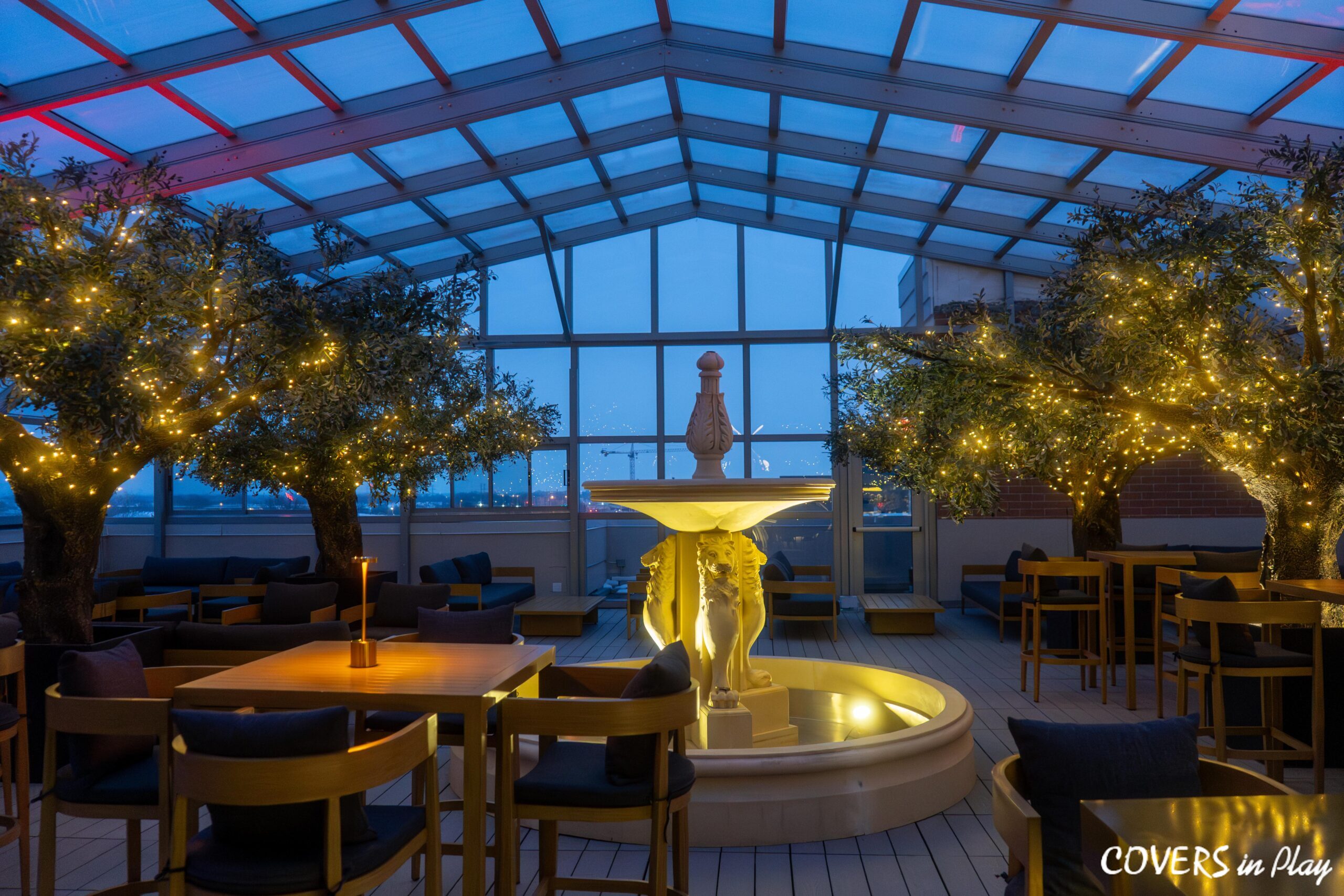
Before you grab the 5F checklist or book a plan, let’s align on what actually drives a great patio cover. Climate and code set the rules—coastal winds, 40–70 psf snow (pounds per square foot), and your sun angle shape comfort and structure. Permitting (city approval to build) influences height, setbacks, and attachments. Then there’s how you live: weeknight dining, weekend lounging, an outdoor kitchen, or a spa’s humidity. The good news: modern materials and engineered systems—aluminum frames, architectural polycarbonate, automated drives—unlock bright, quiet, four‑season spaces when chosen wisely.
The core decision factors you should weigh up-front include:
If these stay fuzzy, projects drift toward hot boxes, leaks, and red‑tag delays. Next, we’ll show the most common (and expensive) traps we fix after the fact—so you don’t repeat them.
Regret shows up fast. By July, the room is hot and dim; by October, drips trace along the beam. Rain turns the roof into thundering noise, and spans begin to sag ever so slightly. In spring, algae streaks creep down the fascia. Posts sit exactly where you walk, blocking the grill and clipping the door swing. You start eating inside again. The space you imagined as a refuge becomes a box you avoid. That stings.
Here are the mistakes we see most often on site visits, with quick context on why they hurt:
Some homeowners realize they also want walls and doors for bug control or true four-season use. If that’s you, explore patio enclosures to create a controlled micro climate without losing light or everyday usability.
Most fabric awnings look sleek day one, but they sail in gusts, mildew in damp weather, and can’t take real loads. Wood pergolas shade only; add-on sheets still leak at seams. Louvered pergolas manage showers, yet bring mechanical complexity and sharp rain noise. Glass roofs deliver clarity, but create heat, glare, and heavy weight that demands beefy structure. Thin twinwall polycarbonate starts cheap, then stains and becomes brittle. Notice the pattern? Systems built for one season struggle across four. That’s why we match materials and engineering to your climate and use—not the catalog photo.
Compare common roof options across performance criteria to illustrate trade-offs at a glance:
| Material | Durability | UV/Heat Control | Snow/Wind | Maintenance | Relative Cost |
| Fabric awning | 2–4 yrs fabric life | Poor; heat/glare pass-through | Low | High: mildew/tears | $ (ongoing) |
| Wood pergola + shingles | 8–12 yrs | Moderate; darkens space | Medium | Medium: staining/roof care | $$ |
| Aluminum louvered pergola | 10–15 yrs | Variable; noisy in rain | Medium | Medium: motors/seals | $$ |
| Glass roof | 10-15 yrs | Poor heat control; glare | High weight; strong structure | Low cleaning; high break risk | $$ |
| Basic twinwall polycarbonate | 5–10 yrs | Fair; discolors/brittles | Low–Medium | Medium: yellowing | $ |
| Architectural polycarbonate system | 50+ years (glazing replaceable as needed) | High UV block; low heat transfer | High (engineered) | Low: wash only | $$ |
Choosing by price or looks alone backfires—noise, heat, and fixes add up over the years. Next, we’ll use a simple 5F Framework to compare options clearly and choose once, with confidence.
If those “$” and “$$” trade-offs gave you pause, the 5F Framework—Function, Form, Fit, Forecast, Finance—makes the choice clear in under 20 minutes. Answer five practical questions and we’ll narrow your options to the one or two that actually fit your life and climate. Then you can get accurate quotes and permits without backtracking.
Work through each “F” with a one-sentence goal and the primary question to answer:
Map common goals to recommended cover types and roof materials using the 5F logic:
| Use Case | Best Cover Type | Roof Material | Notes |
| Everyday shade over dining/lounge | Fixed patio cover with engineered frame | Architectural polycarbonate | Bright, quiet, UV-safe; low heat transfer |
| All-season room feel | Enclosed structure (see patio enclosures) | Insulated polycarbonate or glass hybrid | Add doors/walls for comfort; plan for permits |
| Poolside living | Covered pool enclosures | Retractable or fixed polycarbonate | Safer, cleaner water and year-round use |
| Spa/hot tub zone | Retractable enclosure or roof | Motorized polycarbonate roof | Vent steam and open nights |
| Design-first statement | Retractable pool enclosures (design insights) | Clear/bronze polycarbonate | Span large areas elegantly |
We custom‑engineer for your wind and snow loads, pair retractables with our patented automated drive system, and back everything with a 20‑year warranty. Start with a complimentary design consultation (a $500 value) to turn your 5F answers into a buildable plan.
Explore patio enclosures, compare covered pool enclosures, see design ideas for retractable pool enclosures, or learn how a retractable roof works—then browse Covers in Play for specs, galleries, and FAQs.
So how does “span large areas elegantly” look on a real property? Introduce three mini-scenarios (urban deck, family entertainer, spa corner) to illustrate different choices via the 5F Framework.
Urban deck: tight footprint, low eave, and neighbors six feet away. We mapped 5F and chose a slim aluminum frame, architectural polycarbonate (opal to diffuse, clear to brighten), and a quiet, integrated gutter—rated for 90 miles per hour (mph) wind. The span clears 10’×14′ without a mid-post, preserving traffic flow and door swings. Result: soft daylight into your kitchen, calm rain acoustics, and privacy without harsh reflections. Bright, quiet mornings; no neighbor glare.
Family entertainer: a 12-seat table, grill zone, and kids running through. We engineered a 24-foot clear span (no center posts), designed for 40 pounds per square foot (psf) snow, and used architectural polycarbonate with sound-damping fasteners. Our automated retractable panels open for smoke and close for storms in under 60 seconds. Result: rainproof birthdays, clean airflow, and normal-volume conversations—no shouting over rain noise. We’ll cover permits, loads, and upkeep in the FAQ next.
Spa/hot tub zone: steam, winter use, and chemical exposure. We specify a compact retractable enclosure with anti-drip polycarbonate (channels condensation), trickle vents for steady air exchange, and corrosion-resistant hardware that stands up to spa chemistry. One-button opening allows the retractable roof to open on summer nights; closed, it blocks snow and debris. Result: a year-round ritual with low maintenance and cleaner water. Curious about condensation details? The quick FAQ ahead explains the setup.
Architectural polycarbonate keeps spaces bright and comfortable across seasons.
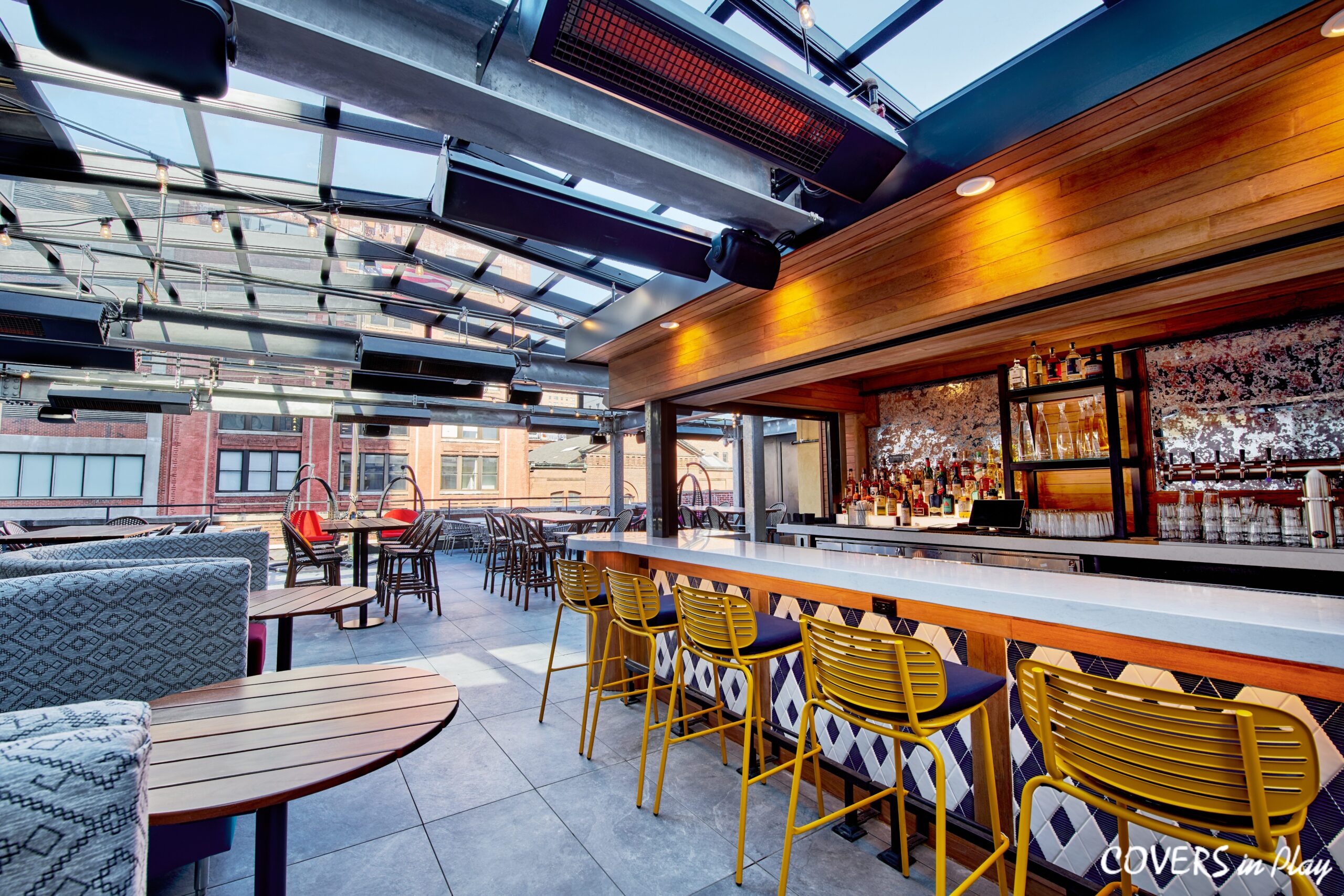
Make the path to done feel simple:
After install, we finish with a walk through and care tips. Now, here are the questions we hear most from homeowners and architects—short, honest answers so you can decide faster. Next, we’ll show how to get your free custom plan.
Since your consult includes good/better/best options and life cycle costs, let’s turn that into a custom 5F plan—free. Book a complimentary design consultation (a $500 value) and we’ll map loads (wind/snow requirements), layout, and budget into a clear proposal within 24 hours—backed by our 20‑year warranty and patented automated drive system. No obligation, just clarity. Most homeowners get a rough budget and timeline within 1 business day.
What you’ll receive in your plan:
Once the proposal is signed, we provide:

 905-589-3000