Glass Patio Enclosures vs. Screen Patio Enclosures
Choosing between a glass patio enclosure and a screen patio enclosure is one of the first decisions homeowners face when planning their project. Both serve a purpose, but they differ significantly in weather protection, usability, durability, and long-term value. Here's how they compare.
Glass Patio Enclosures
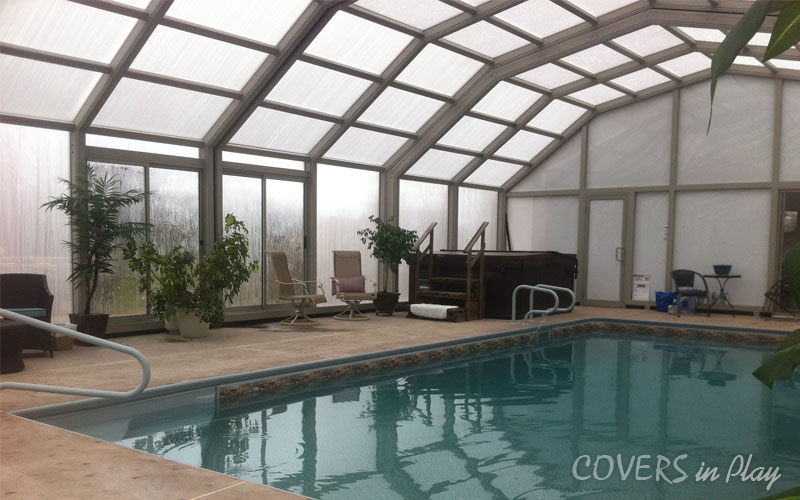
Glass patio enclosures create a fully enclosed, climate-protected space that you can use in every season. In colder months, the glazing panels trap solar heat, warming the interior naturally and making the space comfortable without supplemental heating in many climates. During storms, high winds, or heavy rain, the glass walls and roof panels keep the interior completely dry and calm.
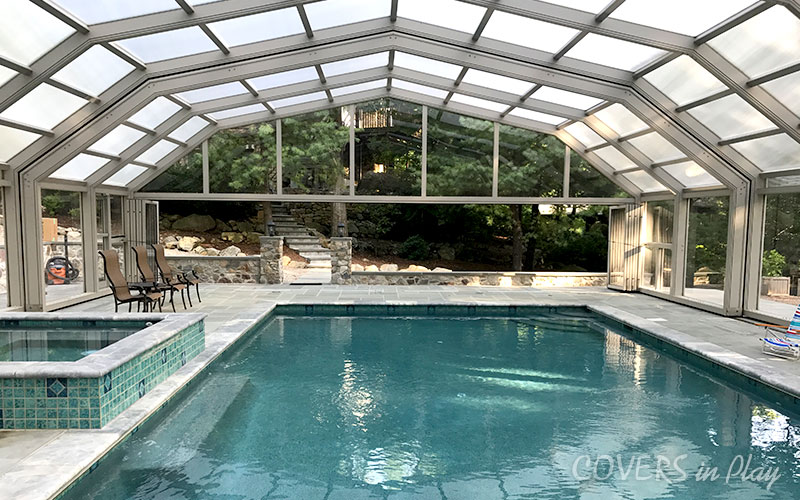
Architecturally, glass patio enclosures have a striking visual presence. Tempered and laminated glass panels provide uninterrupted views of surrounding landscapes while admitting abundant natural light. The aluminum framing used in Covers in Play's systems is engineered to be as slim as possible, maximizing the glass surface area and keeping the overall look clean and modern.
Year-round patio enclosures built with glass also offer superior wind protection. Even on breezy days, the enclosed space remains still and pleasant, which matters enormously for dining, relaxing, or entertaining. This is why glass systems are the preferred choice for restaurant and hospitality venues that need reliable, weather-independent outdoor seating.
Screen Patio Enclosures
Screen enclosures use mesh panels instead of solid glazing. Their primary advantage is airflow: screens allow breezes to pass through freely, which can feel pleasant during warm summer months. They also keep out insects, which makes them a popular choice in regions with heavy mosquito or bug activity.
However, screen enclosures have notable limitations. They provide little to no protection against rain, wind, cold, or temperature drops. During cooler months or inclement weather, a screen-enclosed patio is essentially unusable as a living space. Screen mesh can also degrade over time from UV exposure, require periodic replacement, and is vulnerable to tearing from wind, hail, or accidental impact.
How They Compare: Key Factors
- Durability: Glass and aluminum enclosure systems are built to withstand heavy snow loads, high winds, and prolonged UV exposure without degradation. Screen panels are lighter-duty and more susceptible to damage from weather events and normal wear.
- Usability: A glass patio enclosure functions as a true year-round patio space. You can use it comfortably in winter, during rainstorms, or on windy days. A screen enclosure is limited to fair-weather use and mild-temperature seasons.
- Maintenance: Glass panels need only occasional washing with soap and water. Aluminum frames resist corrosion and fading thanks to high-performance architectural coatings. Screen mesh requires more frequent inspection and replacement as it ages and deteriorates.
- Climate Protection: Glass enclosures retain heat, block wind, and repel water completely. Screen enclosures allow air, moisture, and temperature changes to pass through with minimal resistance.
- Long-Term Value: A well-built glass patio enclosure adds measurable resale value to a home and provides decades of reliable performance. Screen enclosures, while less expensive upfront, often need more maintenance over time and don't add the same level of perceived or actual property value. For a broader look at choosing the right enclosure for your outdoor space, see our 2026 patio cover buyer's guide.
For homeowners and commercial property owners who want an enclosure that works in all four seasons, glass patio enclosures are the clear choice. Covers in Play's aluminum-framed, glass-paneled systems are designed to perform for decades, look architecturally intentional, and give you full control over your outdoor environment, whether the enclosure is fixed, retractable, freestanding, or attached.

 905-589-3000