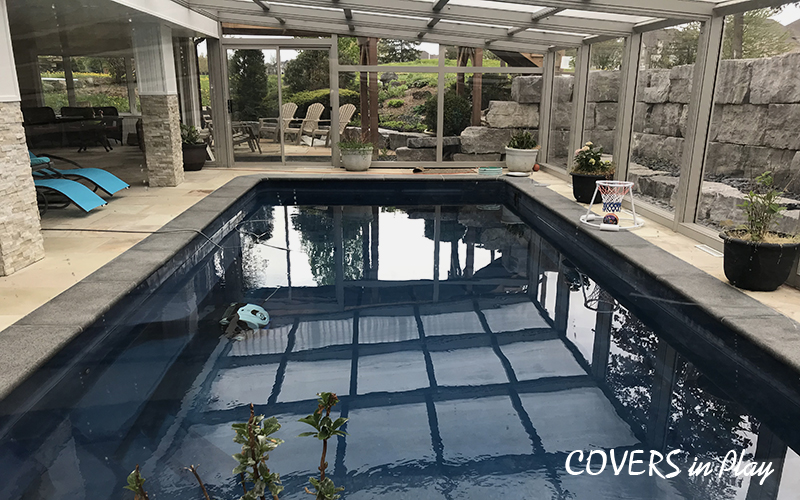
Swimming pools are a source of fun, relaxation, and exercise for many homeowners. However, maintaining a pool in an open outdoor environment can come with challenges. Enclosing an outdoor pool offers a practical solution, enhancing its usability and providing numerous benefits. From extending the swimming season to improving safety and aesthetics, an enclosed pool is a valuable investment. This article explores the advantages of pool enclosures to enclose a swimming pool and why it’s worth considering for homeowners.
One of the most significant benefits of enclosing a pool is the ability to use it year-round. Outdoor pools are typically limited to seasonal use, depending on the climate. With an enclosed swimming pool, weather conditions such as rain, snow, or extreme heat won’t interfere with your swimming schedule. A pool enclosure provides a controlled environment, allowing you to enjoy swimming in all seasons, whether it’s the peak of summer or the chill of winter.
Safety is a primary concern for pool owners, especially those with children or pets. Enclosing a pool creates a physical barrier that prevents accidental access, reducing the risk of drownings and other accidents. Modern pool enclosures often come with lockable doors and reinforced panels, providing added security. An enclosed pool ensures peace of mind for homeowners by safeguarding their loved ones and complying with local safety regulations.
Maintaining a clean pool can be a constant battle when it’s exposed to the elements. Leaves, dirt, insects, and other debris can accumulate, requiring frequent cleaning. Enclosing an outdoor pool significantly reduces the amount of external debris, saving you time and effort in maintenance. Additionally, an enclosed swimming pool is less likely to be contaminated by pollutants or unwanted wildlife, ensuring a healthier swimming environment.
Pool enclosures can lead to significant energy savings, especially if you heat your pool. An enclosed swimming pool retains heat more effectively, reducing the energy required to maintain a comfortable water temperature. This is particularly beneficial in colder climates or for pools used year-round. Furthermore, enclosures can reduce water evaporation, cutting down on the need for frequent refilling and lowering utility costs.
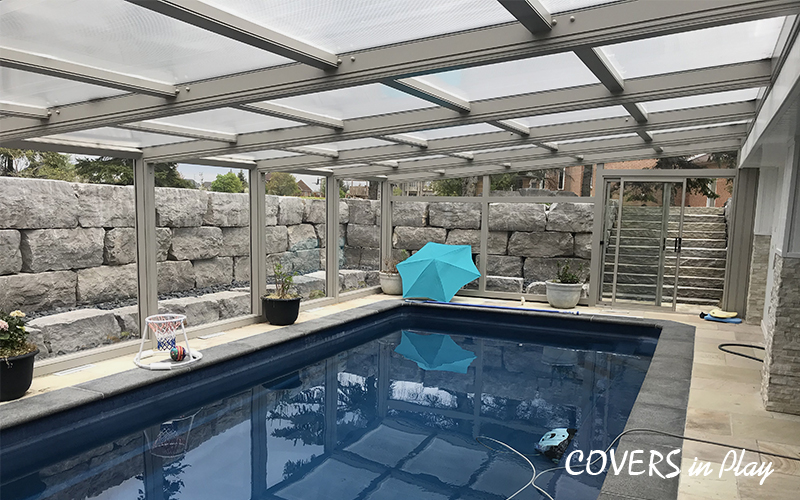
Exposure to the elements can wear down pool equipment and surfaces over time. UV rays, rain, and temperature fluctuations can degrade materials, leading to costly repairs or replacements. By enclosing a pool, you protect it from harsh environmental factors, extending the lifespan of pumps, filters, and pool liners. This not only reduces maintenance expenses but also preserves the aesthetic appeal of your pool area.
Enclosing a pool can elevate the overall appearance of your backyard. Modern pool enclosures come in various designs, from sleek glass structures to more traditional screened options. These enclosures can be customized to complement your home’s architecture, creating a visually appealing and cohesive outdoor space. An enclosed pool also increases property value, as potential buyers see it as a luxury feature that offers practicality and beauty.
Extended exposure to the sun’s UV rays can be harmful, increasing the risk of skin damage and fading pool surfaces. Enclosed swimming pools provide a shield against direct sunlight, allowing swimmers to enjoy their time without worrying about overexposure. High-quality enclosures often include UV-resistant materials, ensuring long-term protection for both swimmers and pool components.
Uninvited guests like insects, birds, and rodents can be a nuisance for outdoor pool owners. An enclosed pool effectively keeps these pests at bay, creating a more enjoyable swimming experience. Screened enclosures, in particular, are designed to prevent small insects like mosquitoes from entering the pool area, allowing you to relax without constant interruptions.
An enclosed swimming pool can act as a sound barrier, reducing noise from the surrounding environment. This is especially beneficial if your pool is located near busy streets or noisy neighborhoods. The enclosure helps create a tranquil oasis where you can unwind and enjoy peace and quiet. Similarly, it can also reduce noise emanating from your pool area, maintaining good relations with neighbors.
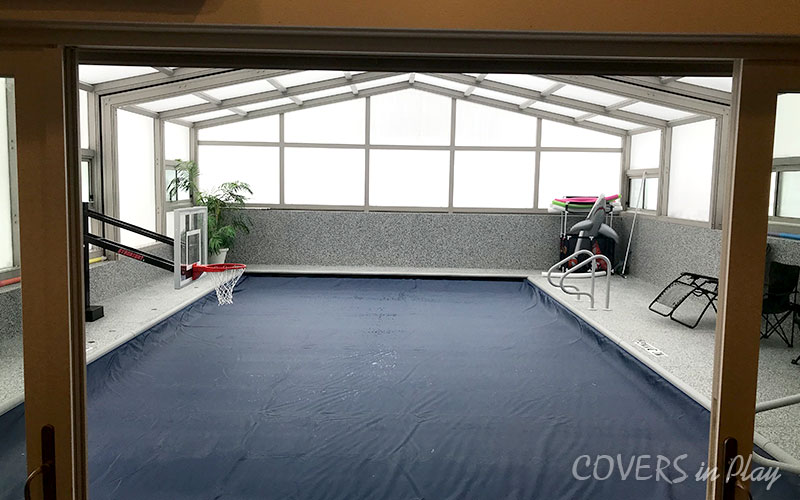
Pool enclosures are highly customizable to suit your specific needs and preferences. Whether you prefer a glass enclosure for maximum visibility or a screened option for better ventilation, the possibilities are endless. Enclosures can also be designed with retractable panels, allowing you to enjoy an open pool during pleasant weather and a covered one during harsher conditions. This flexibility makes an enclosed pool a versatile addition to any home.
An enclosed swimming pool provides a controlled environment that is ideal for therapeutic and recreational activities. People with respiratory issues, for example, can benefit from an enclosed pool with regulated air quality. Additionally, the protection against allergens like pollen ensures a comfortable swimming experience for those prone to allergies. By enclosing your pool, you create a space conducive to both physical activity and relaxation.
Outdoor pools often require more chemicals to maintain water balance due to exposure to sunlight and contaminants. Enclosing a pool minimizes these factors, leading to reduced chemical usage. This is not only cost-effective but also environmentally friendly. A well-maintained enclosed swimming pool ensures water stays cleaner for longer, reducing the frequency of chemical treatments.
Outdoor pools are vulnerable to extreme weather conditions, such as storms or heavy winds, which can cause damage and disrupt your pool time. Enclosing an outdoor pool shields it from these elements, ensuring uninterrupted use. Enclosures also provide a safe space to enjoy swimming during light rain or cooler weather, making your pool more versatile.
Privacy is a crucial consideration for many pool owners. An enclosed pool offers a sense of seclusion, shielding swimmers from prying eyes. Depending on the type of enclosure you choose, you can create a private oasis that enhances your comfort and relaxation. Opaque panels or tinted glass options are available for those who value discretion while enjoying their pool.
Many local governments have strict safety and zoning regulations regarding pool ownership. Installing an enclosure can help you meet these requirements, such as fencing laws or safety standards for childproofing. By enclosing your pool, you can avoid fines and ensure compliance with local codes.
Enclosing a pool offers numerous benefits, ranging from enhanced safety and cleanliness to year-round usability and energy efficiency. Whether you’re looking to protect your investment, improve your swimming experience, or increase your property value, an enclosed swimming pool is a smart choice. With various customization options available, you can create a pool enclosure that aligns perfectly with your needs and aesthetic preferences. By taking the step to enclose your outdoor pool, you’re not just adding a structure—you’re creating a sanctuary for relaxation, recreation, and enjoyment.
One of the most common questions homeowners ask is whether an existing inground pool can be enclosed after it’s already built. The answer is yes, and the process is more straightforward than most people expect when you work with the right manufacturer. Here’s what the typical path looks like when adding outdoor swimming pool enclosures to an existing pool.
The first step is a thorough site assessment. An enclosure specialist will evaluate your pool dimensions, the surrounding deck and hardscape, property grading, and proximity to your home’s structure. This assessment determines whether a freestanding or attached enclosure is the best fit, and it identifies any site-specific factors like drainage slopes, overhead utilities, or setback requirements that could influence the design.
Next comes the design and engineering phase. This is where the enclosure is tailored to your pool’s exact footprint, your aesthetic preferences, and local building codes. For a detailed walkthrough of this process, see our full guide on how to enclose an existing outdoor pool. The engineering team calculates structural loads, including snow loads and wind ratings specific to your region, and produces architectural drawings for permit submission.
At this stage, you’ll also choose the type of enclosure system that suits your lifestyle:
Once the design is finalized and permits are secured, fabrication begins. Covers in Play manufactures each enclosure to order, so every component is built to match your pool’s specific measurements. After fabrication, professional installation typically takes a few days depending on the size and complexity of the project. The installation team handles everything from track placement to panel alignment and system testing.
The key takeaway: you don’t need to build a new pool to enjoy an enclosed pool area. Whether your inground pool with enclosure is a retrofit or part of a new build, the result is a structure that extends your swimming season, reduces maintenance, and adds measurable value to your property.
Choosing to enclose your pool is only part of the equation. How you design that enclosed pool area determines how much you’ll actually use it, how it looks from both inside and outside your home, and how well it performs through every season. Below are the most important design considerations for homeowners and commercial property owners planning an enclosure project.
Start by thinking about more than just the pool itself. The best enclosed pool designs account for the full usable area, including deck space, seating zones, equipment access, and entry points. A well-planned layout leaves room for lounge furniture, ensures clear sightlines from inside the house, and maintains easy access for pool service and equipment maintenance. For commercial properties like hotels or fitness centers, the layout should also factor in foot traffic flow, ADA accessibility, and emergency egress requirements.
The roof profile of your enclosure shapes both the visual character and the functional performance of the space. Covers in Play offers several profile options to match different architectural styles and practical needs:
Each profile can be customized in height, pitch, and overall proportions.
The panels that form the walls and roof of your enclosure directly affect visibility, insulation, durability, and light quality inside the enclosed pool area. The three most common options are:
Glass panels deliver unobstructed views and a premium, architectural finish. Tempered safety glass is the standard, and options like low-E coatings or tinted glass add UV protection and thermal performance. Glass is the top choice for homeowners who want their outdoor swimming pool enclosures to feel like a natural extension of the home.
Polycarbonate panels offer excellent impact resistance and thermal insulation at a lower weight than glass. Multi-wall polycarbonate provides strong insulating value, making it a practical option for colder climates where heat retention is a priority. It diffuses sunlight evenly, reducing glare while still flooding the space with natural light.
Acrylic panels provide optical clarity similar to glass but at roughly half the weight. Acrylic is UV-resistant and highly durable, though it requires more care to avoid surface scratching. It’s a good middle ground between the visual quality of glass and the practical benefits of polycarbonate.
Proper ventilation is one of the most overlooked factors in enclosed pool design. Without adequate airflow, moisture builds up inside the enclosure, leading to condensation on panels, musty odours, and potential damage to surrounding materials. Retractable enclosures solve much of this naturally: opening the enclosure even partially allows fresh air to circulate and moisture to escape. For fixed enclosures, integrated ventilation louvres, operable windows, or mechanical dehumidification systems are essential. If you’re planning a removable pool enclosure or a retractable system, the ability to open sections on demand gives you built-in climate control without relying solely on mechanical systems.
During the day, a well-designed enclosure should let natural light do most of the work. Transparent or translucent panels, combined with the right roof profile, can create a bright, open atmosphere that feels nothing like a dark, enclosed room. For evening use, consider integrated LED lighting along the enclosure frame, underwater pool lights, and ambient landscape lighting outside the enclosure. These layers of light create distinct moods for lap swimming, family time, or entertaining guests.
The mark of a great enclosed pool design is that it works in January and July with equal comfort. In residential settings, this means selecting materials and systems that keep the space warm enough for winter swimming while preventing it from overheating in summer. In commercial settings, from hotel pools to community recreation centers, the design must also account for higher usage volumes, more aggressive cleaning schedules, and stricter code compliance. Our residential pool enclosure projects showcase how these design principles come together in real installations.

 905-589-3000