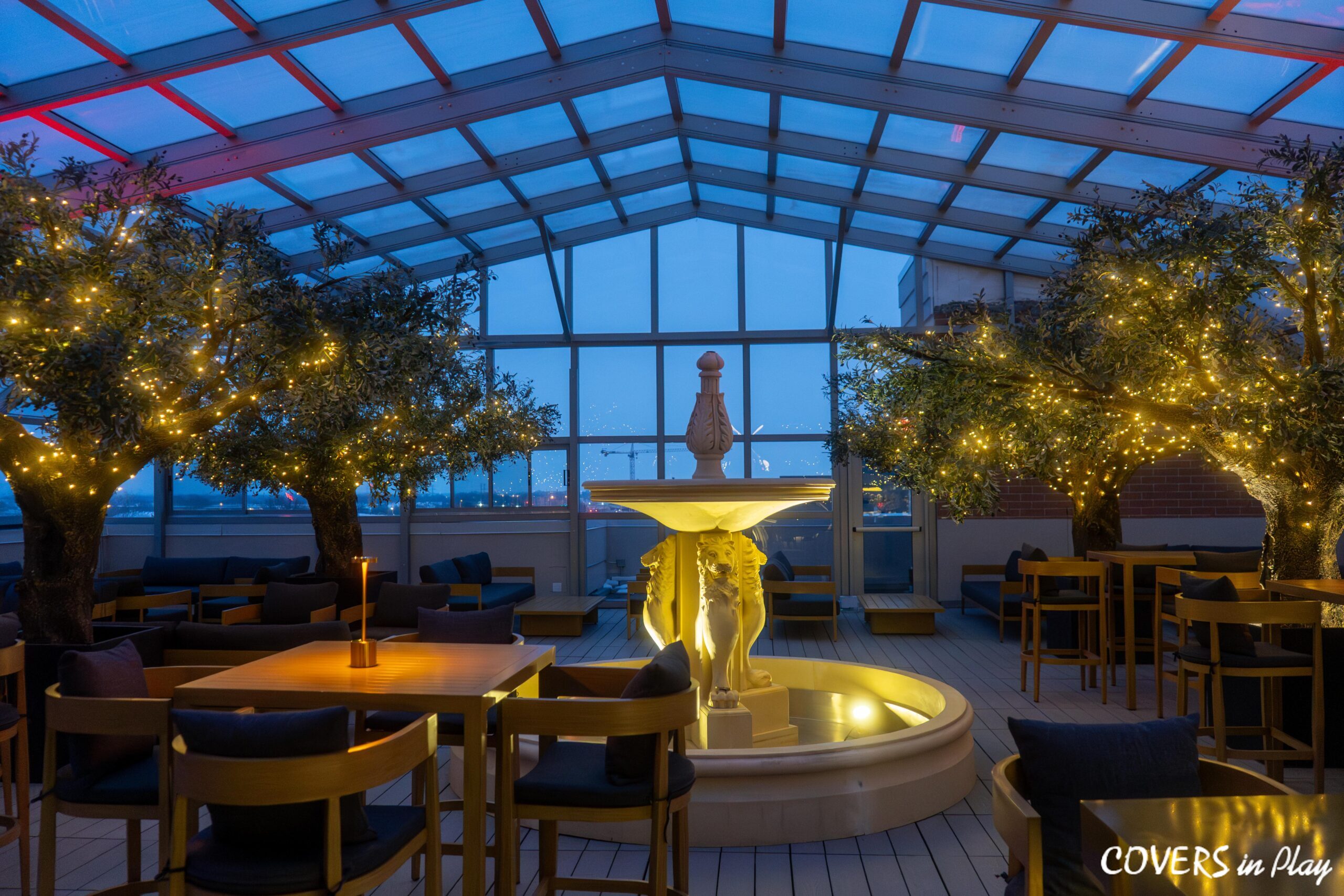
It’s 1:45 PM, your 120-seat patio is sold out, and the forecast flips. In ten minutes, you lose 80% of reservations, 40 pool day-passes you prepped, and tonight’s rehearsal dinner scrambles for a rain plan. We know that sting—we hear it every week. Now picture sliding the space closed in minutes—guests stay, tickets keep firing, and the open‑air vibe still feels like outside.
This isn’t just rain anymore. Smoke days, heat spikes, gusting wind, early sunsets—each one erases seatable hours and staff plans. Tents and propane heaters? They flap, burn cash, trigger code headaches, and still leave guests cold. Our retractable enclosures are engineered, quiet, and code‑compliant; open when it’s great, closed when it’s not via our patented automated drive. Even rescuing 100 days on a 60‑seat patio can add six figures.
We’ll give you a plug‑and‑play ROI formula, a quick case, and a clear implementation path—from concept to permits to install. We’ll also compare quick fixes, enclosures, and retractable roofs. Book your complimentary $500 design consult; our 20‑year warranty backs the plan.
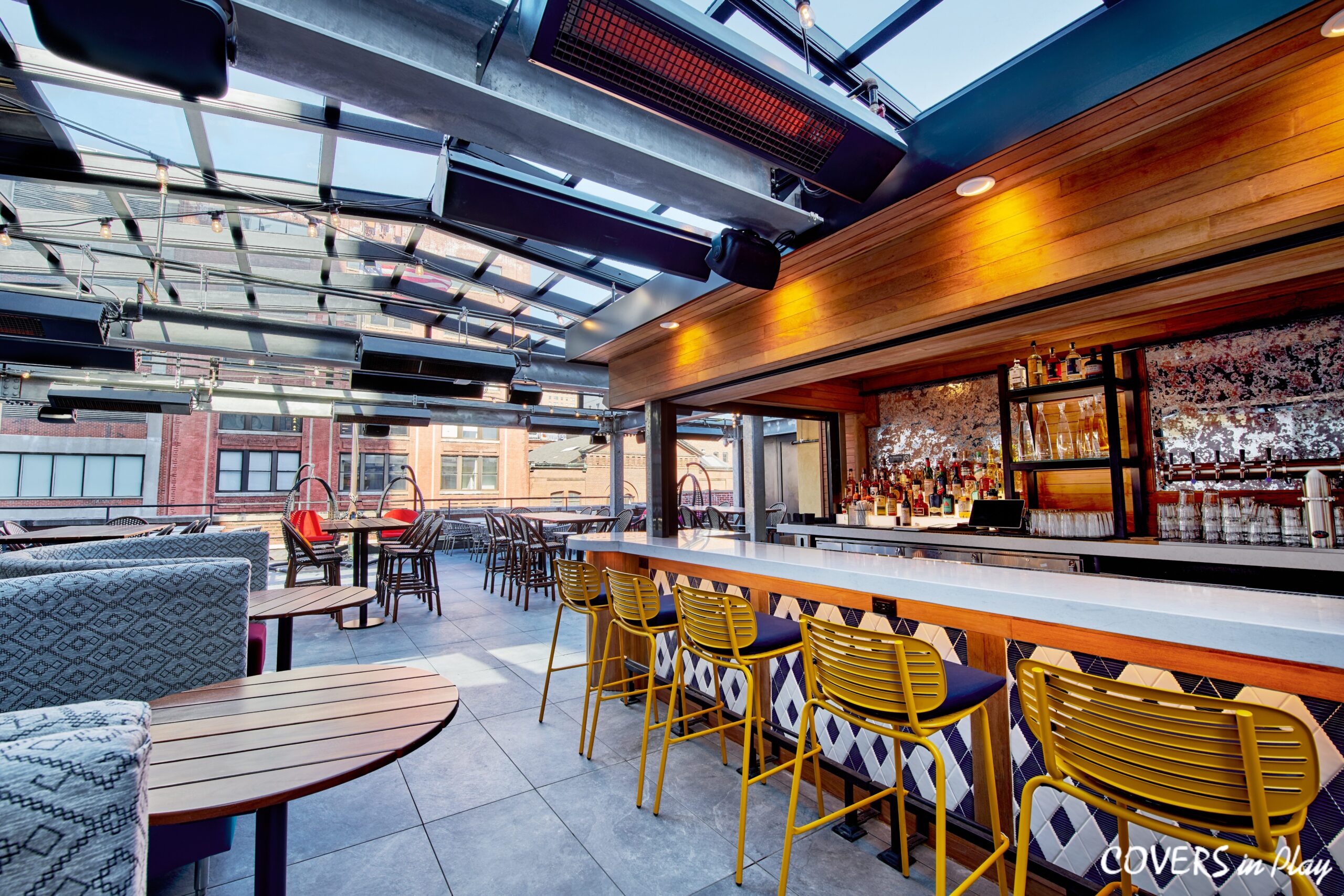
Before we run the ROI and design path we promised, let’s talk timing. Outdoor demand is still surging—patios, pools, rooftops, wellness zones are what guests ask for first. Weather is more volatile: sudden storms, heat spikes, smoke days. Costs are up—utilities and labor—so every lost hour hits harder. Flexible, year‑round space turns fragile demand into reliable revenue.
You’re trying to staff and order with a forecast that changes by the hour. Guests want the open‑air feel, but they expect comfort: 65–80°F, low wind, low noise. That band is rare without engineering. Pools bleed heat at the edges; patios burn cash with propane. Permits and insurers are tightening on temporary gear. Teams that control the environment schedule confidently and price events firmly.
In short, operators who make outdoor capacity dependable lock in margins and staffing sanity. Those who don’t ride a cash‑flow roller coaster all season. Ready to spot the leaks?
We see five pressure points repeat across patios, pools, and event decks. Each looks minor alone; together they drain margins fast. Start here.
Lose 10 weekend days and you forfeit 60 seats × $35 checks × 1.5 turns—about $31,500. Meanwhile, unit costs climb as labor and utilities spread over fewer covers, and softer reviews cut repeat visits. That’s margin leakage you can’t budget around.
So where does that margin leakage come from? Stopgaps—umbrellas, pop-ups, heaters, or fixed roofs. In 15–20 mph (miles per hour) winds, many must close, and rain still wins. Compare side by side, then choose what actually protects revenue.
| Solution | Upfront Cost | Flexibility | Weather Protection | Guest Experience | ROI Horizon |
|---|---|---|---|---|---|
| Umbrellas and Awnings | Low upfront; frequent storm damage | Limited; must close in wind | Shade and light drizzle only | Casual look; uneven comfort, drafts | Short-term; replacements erase returns |
| Pop-up Tents | Low–medium; rental and storage costs | Moderate; temporary; daily setup labor | Variable; wind uplift risk; leaks | Event-like feel; noisy vinyl walls | Short; fees and damage become sunk |
| Fixed Roof Build-out | High; structural tie-ins, engineering | None; permanent, no retractability | Strong overhead; open sides still draft | Good overhead comfort; less open-air vibe | Long; inflexible asset, slower payback |
| Seasonal Closures | None upfront; ongoing idle costs | N/A; space unavailable for months | None; weather dictates operations | Empty space; lost bookings and buzz | Negative; lost revenue and momentum |
Lost revenue and momentum from stopgaps? A retractable enclosure gives you control back. It’s a permanent, engineered structure made of modular sections that slide open or closed, with clear glazing (glass or high‑performance panels) that keeps daylight and views. Unlike tents or awnings, it’s quiet, sealed, and built for your climate. With our automation, you transition from open‑air to protected in minutes, so great weather feels wide open and bad weather doesn’t cancel your day.
Daily operations stay simple: one person can open or close sections, and preset ventilation keeps air fresh. Safety is engineered in—rated for local wind and snow loads (the forces your site actually sees), with tight water management and drainage. We plan egress (code‑required exits) and ADA access (Americans with Disabilities Act accessibility) into doors and thresholds. The system anchors to foundations or existing slabs and integrates with lighting, HVAC (heating, ventilation, and air conditioning), and branding without disrupting your layout.
What sets us apart is reliability you can feel. Our patented automated drive system moves smoothly and quietly with minimal maintenance. The enclosure is a sealed, engineered assembly—not a collection of parts—so performance stays consistent year after year. We design architecture‑forward forms and finishes that elevate your space. And we back it all with a 20‑year warranty, so your investment performs long after the first season.
Here’s how an enclosure turns ‘maybe open’ into ‘always on’—across revenue, operations, and guest experience. Think more sellable hours, steadier staffing, and happier guests who stay longer and come back.
Track these in weeks, not years. Expect visible shifts in reservations, event bookings, and labor stability within your first season.
You asked for a quick payback snapshot—here it is. Use these typical ranges to sanity‑check your numbers; in our consult, we plug in your seats, local weather, and pricing to firm up payback. Then see the one‑minute case next.
| Venue Type | Seats Under Enclosure | Added Days/Year | Incremental Revenue/Year (USD) | Estimated Energy Savings/Year (USD) | Typical Payback |
|---|---|---|---|---|---|
| Neighborhood Restaurant | 40–60 | 90–120 | $150,000–$280,000 | $6,000–$12,000 | 12–24 months |
| Hotel Rooftop/Events | 80–120 | 120–180 | $350,000–$700,000 | $12,000–$24,000 | 12–18 months |
| Aquatic Center/Swim School | N/A (deck coverage) | 150–220 | $120,000–$300,000 | $10,000–$20,000 | 12–24 months |
So what does a 12–24 month payback look like in real life? A 120‑seat restaurant we guided replaced tents with a retractable enclosure, reclaiming 140 weather‑lost days and lifting premium patio pricing 18% on shoulder‑season weekends. Cancellations fell 68%; event deposits held instead of refunding. Server turnover dropped 17% as schedules stabilized. It’s the same pattern we see across 500+ businesses nationwide: make seats always bookable, and revenue steadies while labor stops whipsawing.
Guests noticed, too: “feels like outside, but cozy” popped up in reviews, nudging ratings from 4.3 to 4.6. Average check rose $3.80 with bundled all‑weather experiences, and private events climbed from 2 to 6 per month, rain or shine. On the operations side, managers scheduled a fixed seat map, cutting last‑minute shift cuts by 40% and overtime by 22%. Bottom line? Dependable revenue replaced weather roulette, and the enclosure paid for itself in 20 months.
Curious what this could look like at your place? Browse our restaurant patio enclosures to see real projects, sizes, and glazing choices you can tailor to your site.
Restaurants aren’t the only ones who stop apologizing for weather—here are the use cases where you’ll see the same gains, with the benefit that matters to you; we’ll cover implementation next.
If you’re picturing your retail center staying active in shoulder months, here’s how we build it without drama. A collaborative, engineered path with clear milestones, permitting support, and predictable timelines—so you know what happens, when, and by whom.
Daily operation is push-button simple, and our 20‑year warranty backs the structure and drive system—reducing risk. Next, we’ll walk through the design choices that maximize comfort, aesthetics, and payback for your site.
As promised after handover, here are the levers that tune comfort, acoustics, and energy performance so your enclosure feels great and pays back faster in your climate.
Those low thresholds and dry entries only deliver if the enclosure itself is engineered to your site. Our patented automated drive system slides sections smoothly and quietly, so staff change modes in minutes. We design for local wind and snow loads (the forces your jurisdiction requires structures to resist) and handle egress, ADA (Americans with Disabilities Act) access, and drainage. Clean, architectural lines and high‑performance glazing keep the open‑air feel. A 20‑year warranty backs it, and our projects span North America.
Daily use is simple: one person opens or closes sections, and presets manage ventilation automatically. Maintenance stays light—periodic cleaning, basic gasket checks, and a quick annual review keep performance tight. If weather shifts fast, the automation responds quickly, protecting comfort before guests notice. For example, many patios retract for lunch service, then close partially at sundown to hold a comfortable band. Not sure whether you need a full enclosure or a retractable roof? We’ll compare the trade‑offs next.
Managing a portfolio or a flagship venue? Explore our commercial retractable enclosures for scalable spans, finishes, and integration options.
After exploring our commercial retractable enclosures, the next question is simple: do you need walls as well as a roof? An enclosure creates a controlled volume (sides plus roof); a roof covers overhead only. Consider climate, wind exposure, and program (how you’ll use the space). Coastal patios facing 20–30 mph gusts usually need side protection; sheltered courtyards may not. We’ll show examples next.
If your space already has solid walls and you only need overhead coverage, a retractable roof is ideal; otherwise, choose an enclosure.
| Feature/Goal | Retractable Enclosure | Retractable Roof | Best For |
|---|---|---|---|
| Weather Control | Full protection: sides and roof seal out wind, rain, and snow. | Overhead cover only; lateral wind and driven rain remain. | Year-round operations in variable climates and exposed sites. |
| Open-Air Feel | Retracts fully for true outside vibe; clear glazing preserves views. | Strong open feel above; sides stay open to breezes. | Premium patios seeking flexibility without sacrificing sky views. |
| Energy Efficiency | Higher containment reduces heat loss and drafts; easier heating and cooling control. | Lower containment; edge heat loss persists in cold or wind. | Pools, spas, and dining where comfort drives revenue. |
| Permitting/Footprint | Freestanding system with structure and glazing; lighter tie-ins to building. | Structure only; significant tie-ins to existing building typically required. | Sites with overhead-span feasibility and existing walls in good condition. |
Now that you’ve weighed enclosure versus roof, see it on real patios—rooftops, courtyards, beer gardens. Explore clear spans, low profiles, and custom finishes, plus before/after outcomes like 80–140 more seatable days. Spot your style, then we’ll map yours.
Review gallery examples of patio enclosures to compare spans, heights, glazing options, and door layouts—then note the outcomes: reclaimed days, steadier bookings, and fewer weather cancellations.
You just saw reclaimed days, steadier bookings, and fewer cancellations—now lock that in at your venue. We’ll estimate 80–140 more sellable days, keep guests in the 65–80°F comfort band, and model a 12–24 month payback for your exact site. Book a complimentary $500 design consultation—no obligation—and leave with concept ideas and a tailored ROI snapshot.

 905-589-3000