
When guests picture your property, what image pops up first? In our audits, it’s the pool—showing up in more Instagram tags and OTAs (online travel agencies like Booking.com and Expedia) than almost any other space. Before a guest ever books, those photos set expectations for service, cleanliness, and vibe. One stunning pool shot can tip a traveller from “maybe” to “book now.” It drives first impressions. And bookings.
Now the rub: that “room” lives outdoors, so the weather owns your schedule. A breezy 20 mph afternoon, a cold snap, or drifting debris can flip the sign to “Pool Closed,” spark refund requests, and wipe out F&B (food and beverage) you counted on. We see Saturday groups unravel when a squall hits at 3 pm—extra cleanup, lifeguard shuffles, disappointed kids. That’s not brand control. It’s roulette.
Imagine your pool working as hard as your best suite—pulling bookings, lifting F&B, and anchoring shareable content 365 days a year. We’ll show you a simple framework that turns inspiration into predictable revenue, with clear steps and numbers. Ready to see how a seasonal amenity becomes a dependable engine?
So how does it actually become that engine? Treat your pool as a cross‑department lever: it drives shoulder‑season occupancy, lifts ADR (average daily rate), and keeps guests on property longer. When it’s reliably open, bar tabs, cabana rentals, and spa tie‑ins climb. Event teams sell weatherproof birthdays and wellness classes. Satisfaction follows—fewer refunds and better reviews. The key: design beyond looks. Match audience mix, climate, codes, maintenance, staffing, and energy use to turn beauty into predictable revenue.
Climate and code shape the business case. Coastal wind, snow loads, and intense sun demand structures and glazing (transparent panels) that manage gusts, weight, and glare while preserving warmth. Indoors‑on‑demand requires HVAC (heating, ventilation, and air conditioning) with dehumidification to control condensation and chloramines (irritants). Materials need corrosion resistance near salt. Layout must protect lifeguard sight lines, ADA (Americans with Disabilities Act) routes, and non‑slip surfaces. Done right, you cut heat loss and evaporation, stabilize chemicals, and reduce cleaning—lower energy and labor per occupied room.
You’re serving different guests at once, and each group drives layout, staffing, and programming choices. Focus on these segments:
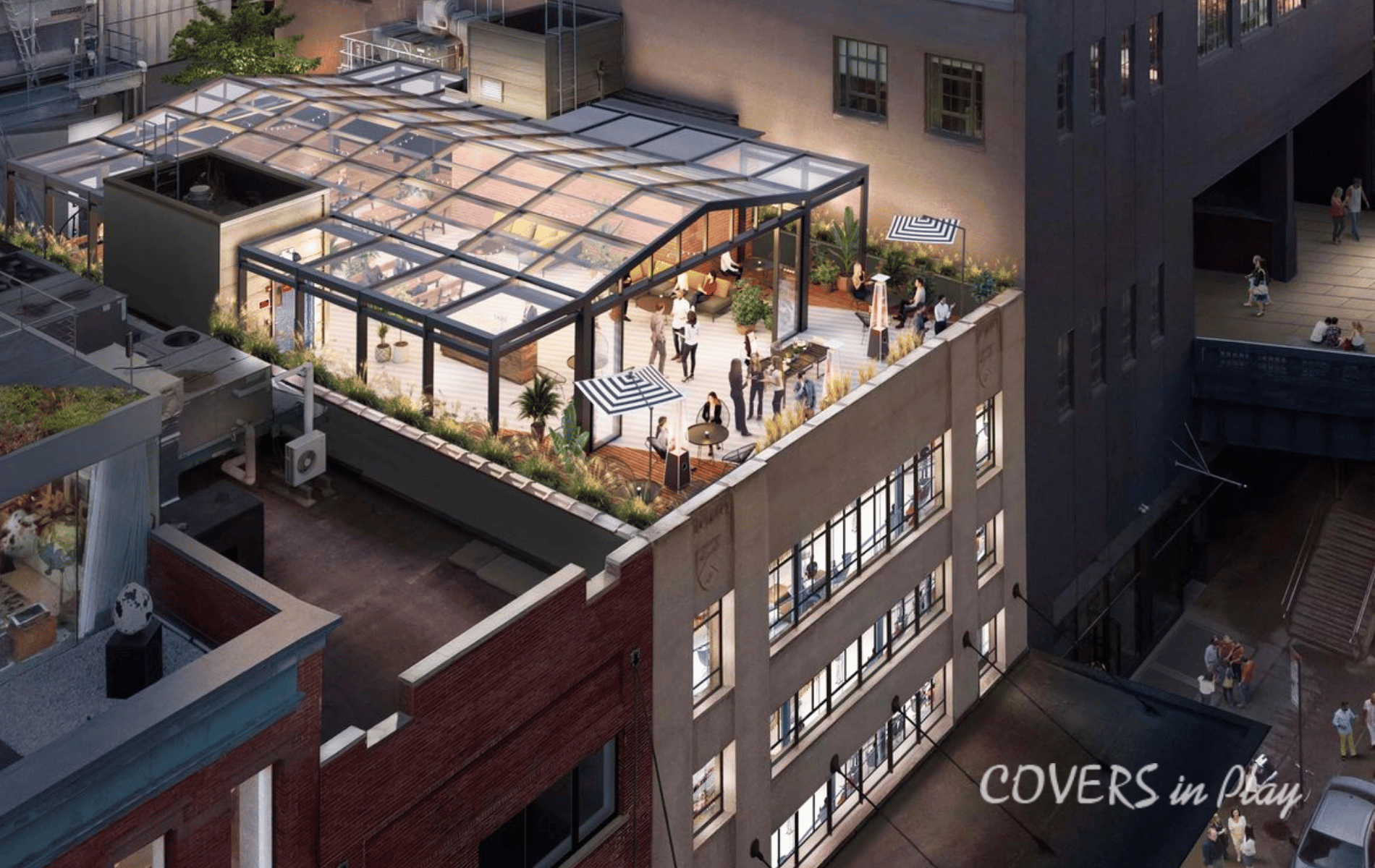
We see beautiful pools sit empty for months when a cold front, coastal wind, or afternoon storms roll through. Single‑zone layouts pit splashy kids against adults trying to relax, so noise spikes and complaints follow. Sight lines collapse when tall planters and bulky furniture block lifeguards, forcing extra staffing. Bathrooms set too far away create wet trails straight through the lobby. Eye‑catching features—massive waterfalls, oversized decks—often inflate energy and cleaning without improving comfort. The result is closures, frustrated guests, and teams reacting to weather instead of hosting. Pretty space. Unreliable amenity.
On rainy Saturdays, the “Pool Closed” sign triggers a chain reaction: cabana refunds, bar prep wasted, and managers comping rooms to soothe wedding parties. Even a small dip in your OTA (online travel agency) review score suppresses ADR (average daily rate) and pushes you down the list. We’ve watched families demand credits after long walks to distant bathrooms soaked the lobby. Adults complain about noise and get drink vouchers. That’s real margin. Worse, it repeats whenever wind kicks up or temperatures dip—because the design can’t flex with conditions.
Outdoors, chemicals drift—wind strips chlorine, so you dose more and pay more. Poor seating plans spike towel pulls and laundry cycles. Without a service corridor, bar queues clog and servers walk laps, so labor per cover rises. ADA (Americans with Disabilities Act) misses—no accessible route or lift—risk fines, claims, and unhappy guests. All of it hits staffing, laundry, and compliance budgets before you ever sell another drink.
Here are the hidden drains we see quietly eroding NOI (net operating income) when design and operations aren’t aligned:
More loungers, a single slide, or a flashy light show feels like progress, but it rarely shifts utilization curves (the hour‑by‑hour pattern of use). If families and adults share one zone, congestion and noise return at peak. If sight lines stay broken, you still over staff to stay safe. And when weather turns, those add‑ons don’t keep the water open. We’ve seen six‑figure refreshes that look great at noon and still empty out by 3 pm. Nice upgrades. Same outcome.
What moves the needle is an integrated plan: zoning, circulation, and a weather strategy. That means separate adult/child experiences, clear lifeguard lines, and a protected mode for wind, rain, or cold. Back‑of‑house service corridors let F&B (food and beverage) teams serve fast without weaving through wet guests. Bathrooms, lockers, and towel returns on deck stop lobby puddles. Without those basics, you’ll repaint every spring and still battle closures and complaints. With them, you can layer revenue—cabanas, memberships, classes, and events that run on schedule.

Use these ideas to blend guest wow with operational ease. Adopt a few now, then phase the rest. Notes flag compliance, staffing, and monetization so you can prioritize by impact and budget.

Use this phased approach to minimize downtime, align budgets, and track ROI (return on investment). Timelines and budgets vary by size, climate, and local code requirements.
| Phase | Focus | Typical Timeline | Budget Band (USD) | Codes/Considerations | Primary KPIs |
| Phase 1: Quick Wins | Lighting layers, seating plan, on‑deck F&B and bathrooms | 2–8 weeks | $ | ADA routes, slip resistance, lifeguard sight lines | Review/NPS (Net Promoter Score) uplift, evening utilization |
| Phase 2: Experience Upgrades | Cabanas, kids’ splash, zoning, signature photo moment | 1–3 months | $–$$ | Noise buffers, queuing, staffing plans | Cabana revenue/hour, dwell time, bar sales |
| Phase 3: Four‑Season Conversion | Retractable enclosure or dome with HVAC integration | 3–6+ months | $$ | Structural loads, humidity/air quality, permits | Shoulder‑season occupancy, 12‑month pool days |
Commercial solutions like commercial pool enclosures or retractable pool dome enclosures
often deliver the largest seasonal uplift—especially when paired with efficient HVAC (heating, ventilation, and air conditioning) and dehumidification for comfort and air quality.
So what does that seasonal uplift look like in the real world? Picture a 180-room coastal resort with a gorgeous but wind-exposed deck. For years they ran a six-to-seven month season, fought cold shoulder-month water, and posted “Pool Closed” whenever gusts hit. Families complained about chilly air and crowded zones; adults about noise. Operations scrambled—extra cleanup after blown-in debris, lifeguards stretched, bar prepped for crowds that never came. We redesigned the experience, not just the look: separated an adults-only quiet terrace, a kids’ splash area, and a clear lap lane; added six rentable cabanas; layered warm, dimmable lighting for evenings; brought a compact on-deck bar and nearby restrooms; and installed a modern retractable enclosure that closes during wind or chill and opens wide on blue-sky days. The feel? Comfortable, calm, and Instagrammable without adding a second staff shift.
Results came in quickly, then steadied. In the first full year: shoulder-season occupancy lifted 3–5 points, ADR (average daily rate) rose 6–8%, and F&B (food and beverage) capture increased by $8–$12 per occupied room. Weather-closure days dropped to near zero, and water chemistry held stable, cutting chemical spend 15–20%. New revenue showed up too: locals’ day passes and two to three private events per week in off months added roughly $120K–$180K. Net result was a simple payback in about 2.5–4 years, depending on financing. These are conservative, illustrative ranges—we refine climate loads, costs, and revenue scenarios for your market in a 30-minute feasibility session.
Our commercial retractable enclosures use a patented automated drive system that shifts from open-air to protected mode in minutes, even on variable-weather days. That quick change keeps programming on schedule, improves lifeguard efficiency and server routes, and boosts usable pool days—without building a second indoor pool.
If switching from open‑air to protected in minutes sounds right, let’s tailor it to your site in one call. Book a complimentary 30‑minute design consultation (a $500 value) with our engineering team. We’ll review climate loads, deck constraints, guest mix, and revenue goals, then share a rough budget and timeline. Every solution is custom‑engineered, powered by our patented automated drive system, and backed by a 20‑year warranty. US hotels and resorts welcome. Questions on costs, timelines, or permitting? Our FAQs below cover them.
What’s the typical cost range to add a retractable enclosure to a hotel pool?
If you just explored our resources, the next question is cost. It varies by span (width/length), materials and glazing, local wind/snow loads, and how we integrate HVAC (heating, ventilation, and air conditioning). A 40–60 ft span differs from a 100+ ft coastal build with corrosion package and dehumidification. See factors and examples in our commercial pool enclosures.
How do permitting and codes affect timeline?
Permitting can drive your schedule. Expect structural, fire life safety, and accessibility (ADA, Americans with Disabilities Act) reviews that can extend approvals 8–16 weeks, depending on jurisdiction. We start pre‑application meetings, submit sealed engineering drawings, and coordinate responses early. That collaboration keeps fabrication moving while approvals finalize, so installation lands during your low‑occupancy window.
What about indoor air quality and humidity control under an enclosure?
Comfort and clear air come from proper dehumidification (removes moisture), make‑up air (fresh outside air), and balanced exhaust, plus corrosion‑resistant structures and fasteners. We usually target 50–60% RH (relative humidity) with 82–84°F air/water for swimmers. For integration best practices, see our retractable roof systems resource.
How much maintenance do retractable systems require?
Plan simple routines: keep tracks clear, inspect seals and brush gaskets, and schedule seasonal inspections. Our patented automated drive minimizes wear—no manual pushing—and most hotels do quarterly checks. Every system is backed by a 20‑year warranty for long‑term peace of mind.
Can we realize ROI without building a separate indoor pool?
Yes. A flexible approach like swimming pool retractable enclosures delivers year‑round operation, shields wind and rain, captures solar heat, and lets you consolidate lifeguard and F&B (food and beverage) staffing. Many resorts see shoulder‑season ADR (average daily rate) lift—often outperforming the cost and complexity of building separate indoor and outdoor pools.

 905-589-3000