So you’ve decided to take the plunge and hire inground swimming pool contractors. That’s a big step toward transforming your property into your personal oasis. But before you start choosing tile colors or sketching out pool shapes, there’s a more fundamental decision to make: should you build an indoor pool or an outdoor one?
This choice will shape everything from your budget and design options to how often you use the pool and how much maintenance it requires. In this article, we’ll explore the key differences between indoor and outdoor pools, breaking down the pros and cons of each so you can choose the best fit for your lifestyle, climate, and long-term goals.
The short answer: it depends. Neither option is universally better they each offer distinct advantages and limitations. Your ideal pool depends on your priorities, property layout, and how you plan to use it. To help you decide, let’s explore five critical factors that influence the indoor vs. outdoor pool debate.
1. Size and Layout Flexibility
When it comes to size, outdoor pools typically have the upper hand. Because they’re built in open spaces, outdoor pools can be designed in virtually any shape or dimension. Whether you want a sprawling lap pool, a freeform lagoon, or a multi-level design with waterfalls and tanning ledges, outdoor settings give you the freedom to dream big.
Indoor pools, on the other hand, are usually constrained by the dimensions of the existing structure or the space available for a new enclosure. That often means smaller footprints and simpler shapes. However, indoor pools can still be customized with elegant finishes, spa features, and creative lighting to make the most of the space.
If maximizing square footage and design flexibility is a top priority, outdoor pools offer more room to play.
2. Privacy and Seclusion
Privacy is a major consideration for many homeowners. Indoor pools offer unmatched seclusion—they’re tucked away inside your home or a dedicated structure, shielded from neighbors, pedestrians, and street traffic. You can swim, relax, and entertain without worrying about prying eyes or noise from the outside world.
Outdoor pools, while beautiful and open, are more exposed. Unless your backyard is naturally secluded, you may need to invest in privacy fencing, landscaping, or architectural screens to create a sense of intimacy. These additions can be effective but may add to your overall project cost.
If privacy is non-negotiable, indoor pools are the clear winner.
3. Maintenance and Upkeep
All pools require regular maintenance to stay clean, safe, and functional. That includes monitoring water chemistry, removing debris, scrubbing surfaces, and treating the water with sanitizing agents. However, the environment plays a big role in how much effort this takes.
Outdoor pools are exposed to the elements—leaves, insects, rain, pollen, and even wildlife can find their way into the water. Seasonal changes also affect water temperature and chemical balance, requiring more frequent adjustments. You’ll likely need a pool cover, skimmer nets, and possibly automated cleaning systems to keep things under control.
Indoor pools are protected from external debris and weather fluctuations, which can reduce maintenance demands. However, they come with their own challenges, such as managing humidity, preventing condensation, and maintaining air quality. Proper ventilation and dehumidification systems are essential to avoid mold, mildew, and structural damage.
In short, outdoor pools require more surface cleaning while indoor pools demand more attention to air and moisture control.
4. Features and Enhancements
Both indoor and outdoor pools can be outfitted with luxurious features, but the available space and environment will influence what’s possible.
Indoor pool upgrades may include:
Outdoor pool enhancements often include:
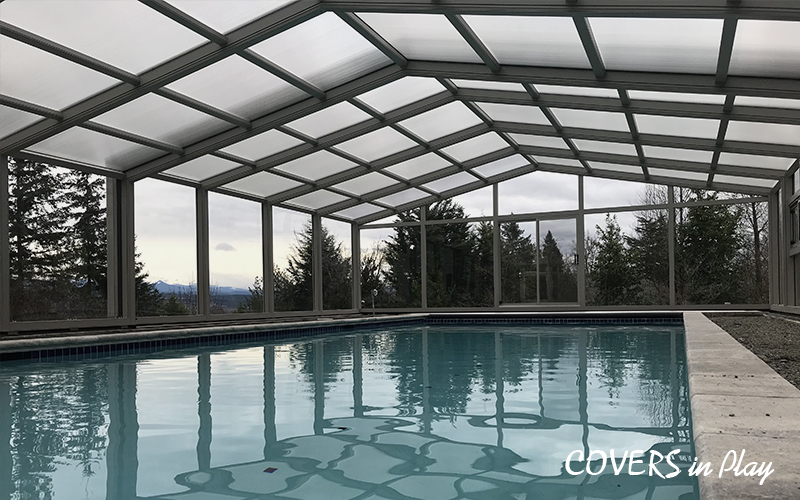
Outdoor pools typically allow for more dramatic features due to their larger size and open surroundings. However, indoor pools can be just as indulgent, especially when paired with retractable roof enclosures that bring in natural light and fresh air.
5. Cost and Construction Considerations
Cost is often the deciding factor. Outdoor pools are generally more affordable to build, especially if your yard is already graded and accessible. You won’t need to modify your home’s foundation or install complex HVAC systems, which keeps construction simpler and faster.
Indoor pools, while offering year-round usability and privacy, tend to be more expensive. That’s because they require:
These elements add to both the upfront cost and long-term energy usage. However, they also extend your swimming season and protect the pool from external wear and tear, which can reduce maintenance costs over time.
If budget is tight, outdoor pools may be more accessible. But if you’re looking for a long-term investment in comfort, privacy, and year-round enjoyment, an indoor pool could be well worth the extra expense.
Final Thoughts: Which Pool Is Right for You?
Choosing between an indoor and outdoor pool isn’t just about aesthetics it’s about how you live, what kind of experience you want, and how much effort you’re willing to put into maintenance and climate control.
Indoor pools offer privacy, protection from the elements, and year-round usability. They’re ideal for homeowners who value seclusion, want to swim regardless of weather, and are willing to invest in proper ventilation and structural design.
Outdoor pools provide expansive design freedom, natural beauty, and a stronger connection to the landscape. They’re perfect for those who love entertaining, want dramatic features, and prefer a seasonal swimming experience.

 905-589-3000